


Article: Social Media Policy: perspectives from young people in Ireland
This article shares recommendations for Social Media Policy from young people involved in a consultation led by Jigsaw - the National Centre for Youth Mental Health in Ireland. Young people highlighted five key areas for policy development to make social media safer.
Introduction
Globally, there has been an increasing focus on the role of social media in young peoples’ lives (Alonzo et al., 2021; Ferguson et al., 2025). Young people engage with social media for a variety of reasons such as entertainment, education and connection with peers (Ofcom, 2024; Ofcom, 2025). Research in this area has yielded mixed findings with some studies finding that social media can promote feelings of connectedness with peers, particularly among young people who may feel isolated (Berger et al., 2022; Wu et al., 2016). Social media represents a different way of engaging with peers and accessing information, however, there are also unique social pressures which come with risks (Dacka, 2024), such as the links to poor mental health outcomes and self-esteem related impacts (Khalaf et al., 2023; Steinsbekk et al., 2021). Young people, particularly young males, can also be targeted with dangerous misinformation at a vulnerable age through social media recommendation systems (Baker et al., 2024; Regehr et al., 2025). Perspectives and the effects of social media can vary depending on how it’s used and the knowledge and awareness of the user (Gupta et al., 2021). It is widely recognised by leading researchers that ineffective research methods have results in significant gaps in the evidence base in relation to social media and youth mental health (Etchells et al., 2022).
Reporting in the public discourse often takes a sensationalist approach to social media and youth mental health, viewing it as completely negative, and typically excludes young people from these conversations (Thorn et al., 2020). Moral panic has typically driven attempts to protect young people which have used limited evidence to simplify experiences (Sutcliffe, 2025). Governments have now begun to enact policy relating to social media use. In Australia, the Online Age Assurance and Safety Bill (2024) banned social media for young people aged under 16 and other countries are also exploring similar polices (O’Donovan, 2025; Kirby, 2025). These restrictions aim to protect young people, however, they do not address the existing risks posed by social media and do not offer protection to young people aged 16 years and older.
Capturing young people’s perspectives
In March 2025 Jigsaw, the National Centre for Youth Mental Health in Ireland, held a a consultation to explore young peoples’ perspectives on social media and youth mental health and how these digital spaces can be made safer. The consultation was developed and delivered in partnership with Youth Advocates (youth volunteers aged 16-25 years), Jigsaw staff and external stakeholders from universities (University College Dublin, University Limerick and Northumbria). An external facilitator (The Brave Lab) was commissioned to lead the consultation and collect feedback from young people. A co-design approach was adopted to involve Youth Advocates fully in the process, from planning and delivering the consultation to providing feedback. Jigsaw Youth Advocates and volunteers with Comhairle na nÓg (N = 7) (local youth councils involving young people aged 12-17 years) from across the Republic of Ireland were invited to the consultation to capture diverse viewpoints. In total there were 24 young people in attendance at the consultation, aged 15-25 years.
The group discussed current research, national and international policies, gaps in knowledge and their own experience of using social media, both positive and negative, and areas that they felt policy should focus on to make digital spaces safer. Mentimeter, post-it notes and group discussions were used to collect feedback from attendees and ensure all voices were given an opportunity to be heard. Young people could draw or use text to share feedback. During the consultation, attendees were asked to highlight up to six key areas for policy development to make social media safer for young people. These were grouped using content analysis into the following themes:
- content moderation (fact checking, limiting or removal of harmful information etc.)
- managing negative behaviour in online spaces (cyberbullying, harassment etc.)
- education (for both parents and young people)
- individual control (data privacy, control of algorithms etc.)
- parental control (guidance, monitoring etc.)
Discussion on these areas was used to create the five recommendations below and were incorporated into a youth-led social media policy brief (Doyle et al., 2025). Two young people worked with researchers to draft recommendations.
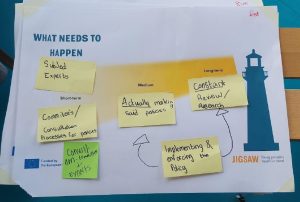
Figure 1: Sample of consultation activities
Recommendations
Young people spoke openly of the challenges of navigating these digital landscapes as well as the benefits of engaging with social media. Benefits included being able to connect with friends and people with shared interests and finding a sense of community. However, young people also acknowledged that social media can negatively impact their wellbeing, and current safety features are often ineffective.
1. Make Online Safety and Education Age-Appropriate and Inclusive
Young people highlighted the difficulties that schools encounter when educating students about social media, given the fast-changing nature of online risks and trends. They expressed understanding for the challenges in keeping up with these constant shifts. Young people felt that education and information should be developmentally appropriate and acknowledge the different ways young people engage with social media. Education should be incorporated at different stages to allow young people to gain practical information they can use in their daily lives while reflecting on their own experiences. Young people commented that they would like to be taught how to recognise AI generated content, learn media literacy skills and that content in the curriculum should be regularly updated. As well as formal education, the importance of conversations with parents and trusted adults were also highlighted. These groups also need guidance and education so they can properly inform their young person, have honest conversations about habits and set boundaries. Formal education and reflective conversations will help protect young people throughout their lives.
2. Adopt a Harm-Reduction Approach to Digital Education
Policies which limit young people’s social media access assume that young people are only vulnerable to these risks at a certain age and removes the opportunity for young people to learn about how to develop their social media literacy skills. Moreover, the young people reported that most educational content they see focuses on high-risk situations such as online bullying. Young people acknowledged the importance of this content but highlighted the need to address day to day lived experiences of social media, such as recognising unhealthy habits and navigating safety features such as algorithm customisation.
In adopting a harm-reduction approach to digital education, young people will have the necessary tools and knowledge to engage with social media safely, if they choose to. Young people spoke about the challenges of understanding privacy settings and the need for guidance when encountering cyberbullying or online harassment. Education should cover a variety of areas to ensure young people are protected, including navigating algorithm-driven content, how to recognise unhealthy habits and encourage accountability.
3. Strengthen Shared Responsibility for Safer, Rights-Based Digital Spaces
A rights-based approach to online safety acknowledges that young people have a right to protection, privacy and participation. However, the responsibility for engaging safely should be shared between young people, families, policy makers and social media platforms. While education and information are vital, the risks of social media are typically due to how these are designed; young people felt that platforms aim to increase engagement rather than ensure wellbeing. This shared responsibility approach encourages education for young people and families, policies which strengthen the positive aspects of social media and platforms which prioritise the wellbeing of users.
4. Embedding Youth Voices in Policy Development
Most mental health challenges emerge before the age of 25 (Kessler et al., 2025). In line with this, young people are exposed to social media at a critical developmental period in their lives and the value of social media regulation was not questioned. However, young people felt there is a need to be involved in these discussions and decisions to ensure they are practical and relevant. This involvement should be meaningful and embedded in every stage of policy development to avoid tokenistic inclusion. Policies and efforts should also be evaluated to ensure they are effective; a youth-informed policy assessment would strengthen policies and capture any challenges early. This approach would align with critical youth work which views young people as key influencers who can provide valuable insights and contributions (Sutcliffe, 2025).
5. Greater investment in Irish research co-designed with young people to help identify the relevant risks and required supports for digital wellbeing.
The consultation revealed the varied nature of social media engagement. Young people use social media for a variety of reasons and experiences will depend on a range of factors. While our consultation called for more research in Ireland, this need is not confined to one country. Research co-designed with young people will allow the nuanced nature of social media to be further examined and provide effective supports for youth mental health. Knowledge on protective factors as well as risks is greatly needed and it is vital that young people act as partners in this endeavour rather than only subjects.
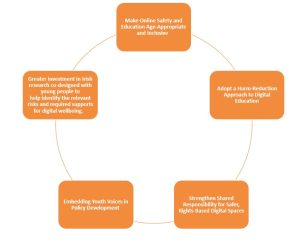
Figure 2: Recommendations from young people
Discussion
These five recommendations highlight that young people need to be supported and included in addressing these issues. The harm that can be done through social media was not dismissed; young people risk being exposed to elements which can harm their mental health, and they are aware of this risk. However, simply removing social media from young people’s lives was not seen as a realistic or a long-term solution. As has been highlighted elsewhere (Champion et al., 2025; Sutcliffe, 2025), overly restrictive approaches risk leaving young people vulnerable and with little support. These recommendations call for policies that move beyond a one-size-fits-all approach and reflect the complex, diverse ways young people engage with digital life.
Social media is pervasive and it is unlikely young people will never engage with these platforms. Our consultation told us that the best way to protect young people is to build resilience and knowledge. This will enhance the positive aspects of social media while limiting the harmful aspects. The responsibility for protecting young people should be shared between families, policy makers, social media companies and young people themselves. Education should provide guidance to young people and families on how to navigate social media safely while policies should ensure that young people’s right to safety and freedom of participation are both protected. This will allow young people to be protected throughout their life. Further research is also needed on the impact of social media and how to combat negative effects. By involving young people as partners and learning from their experiences, policies can be practical and protect young people’s mental health.
Conclusion
Young people typically engage with social media during a vital developmental stage. This youth-led social media policy brief calls for more education and transparency to ensure young people’s mental health is protected. Social media has become ubiquitous, and policies should focus on enhancing positive elements while limiting risks. This will ensure both young people and adults are protected and informed. The recommendations outlined promote collaboration and accountability for all stakeholders. This consultation also promotes Patient and Public Involvement (PPI) by aiming to ensure that young people are actively heard and involved in shaping the policies that affect them.
Youth & Policy is run voluntarily on a non-profit basis. If you would like to support our work, you can donate any amount using the button below.
Last Updated: 10 July 2026
Footnotes:
Further information on these recommendations can be found here.
Acknowledgements:
The authors would like to thank the young people who took part in the consultation and shared their experiences and recommendations for how to make social media safer for young people. The Youth Advocates who took part in planning the consultation and presenting information on the day as well as other members of the planning group. This included Jigsaw staff members (Jim Lyng and Mike Mansfield) as well as external stakeholders (Amanda Fitzgerald (UCD), Maria Tibbs (Northumbria University), Ruth Meilia (University of Limerick). Jigsaw staff members also assisted with facilitating the event (David Kavanagh, Jenny Lavin, Eoghan MacDomhnaill and Susan Geaney). Finally thank you to Lucy McKenna and Jess Hayden from the Brave Lab who facilitated conversations and collected and collated feedback.
References:
References
Alonzo R, Hussain J, Stranges S, Anderson K.K. (2021) Interplay between social media use, sleep quality, and mental health in youth: A systematic review. Sleep Med Rev. Epub 2020 Dec 10. PMID: 33385767.
Baker, C., Ging, D., & Brandt Andreasen, M. (2024). Recommending Toxicity: The role of algorithmic recommender functions on YouTube Shorts and TikTok in promoting male supremacist influencers: A summary report. DCU Anti-Bullying Centre Dublin City University.
Berger M.N., Taba, M., Marino, J.L., Lim, M.S.C., Skinner, S.R. (2022) Social Media Use and Health and Well-being of Lesbian, Gay, Bisexual, Transgender, and Queer Youth: Systematic Review. J Med Internet Res. 21;24(9):e38449.
Champion, K., Birrell, L., Smout, S., Teesson, M., & Slade, T. (2025). Debate: Social media in children and young people– time for a ban? Beyond the ban– empowering parents and schools to keep adolescents safe on social media, Child and Adolescent Mental Health, 30(4), 411–413.
Dacka, M (2024). Social media challenges among adolescents – unconscious danger or peer pressure? Dangerous consequences of modern adolescents’ games. Psychiatr Psychol Klin, 24 (1), 79–88. .
Doyle, E.,Kathryn, S., Warren-Perry, A., O’Brien, S., & Moore, J. (2025). Social media and youth mental health: A youth-led policy brief. Accessed from: Jigsaw_ResearchSocial_Media-2.pdf
Etchells, P, Davidson, B, Kaye, L, Ellis, D & Lieberoth, A 2022, ‘Researchers should avoid causally attributing suicide to video game play as a single factor’, Perspectives in Psychiatric Care, vol. 58, no. 2, pp. 880-882.
European Commission (2025). Youth Employment Support, Employment, Social Affairs and Inclusion. Accessed from https://employment-social-affairs.ec.europa.eu/policies-and-activities/eu-employment-policies/youth-employment-support_en#email on 15th December, 2025.
Ferguson, C.J., Kaye, L., Branley-Bell, D., & Markey, P. (2025). There Is No Evidence That Time Spent on Social Media Is Correlated With Adolescent Mental Health Problems: Findings From a Meta-Analysis, Professional Psychology: Research and Practice, 56(1), 73-83.
Gupta, C., Jogdand, S., & Kumar, M. (2022). Reviewing the Impact of Social Media on the Mental Health of Adolescents and Young Adults. Cureus 14(10).
Hickey, G., Richards, T., & Sheehy, J. (2018). Co-producing research: A survey of practice and a framework for evaluation. BMJ, 362:k2875.
Kessler R.C., Berglund P., Demler, O., Jin, R., Merikangas, K.R., & Walters, E.E. Lifetime prevalence and age-of-onset distributions of DSM-IV disorders in the national comorbidity survey replication. Arch Gen Psychiatry 2005; 62: 593–602.
Khalaf, A. M., Alubied, A. A., Khalaf, A. M., & Rifaey, A. A. (2023). The impact of social media on the mental health of adolescents and young adults: a systematic review. Cureus, 15(8).
Kirby, P. (2025). Ban social media for under-15s, says French report warning of TikTok risks, BBC 11th September, 2025. Accessed from: https://www.bbc.com/news/articles/crkjep23403o
McGorry, P.D., Mei, C., Dalal, N., Alvarez-Jimenez, M., Blakemore, S. J., Browne, V., … & Killackey, E. (2024). The Lancet Psychiatry Commission on youth mental health, The Lancet Psychiatry, 11(9), 731-774.
Ofcom. (2024). A window into young children’s online worlds. 19th April, 2024. Accessed from: A window into young children’s online worlds
Ofcom. (2025). News consumption in the UK: 2025, Research Findings, Report published 21st July, 2025. Accessed from: https://www.ofcom.org.uk/siteassets/resources/documents/research-and-data/online-research/adult-and-teen-news-consumption-survey/news-consumption-in-the-uk-2025-research-findings.pdf?v=400636
O’Donovan, B. (2025). Ireland examining social media ban for children – dept, RTE, 4th December, 2025.
Thorn, P., Hill, N.T., Lamblin, M., Teh, Z., Battersby-Coulter, R., Rice, S., Bendall, S., Gibson, K.L., Finlay, S.M., Blandon, R., de Souza, L., West, A., Cooksey, A., Sciglitano, J., Goodrich, S., & Robinson, J. (2020). Developing a Suicide Prevention Social Media Campaign With Young People (The #Chatsafe Project): Co-Design Approach JMIR Ment Health, 7(5).
Regehr, K., Shaughnessy, C., Zhao, M., Cambazoglu, I., Turner, A. & Shaughnessy, N. (2025) Normalizing toxicity: the role of recommender algorithms for young people’s mental health and social wellbeing. Front. Psychol, 16.
Steinsbekk, S., Wichstrøm, L., Stenseng, F., Nesi, J., Wold Hygen, B., & Skalicka, V. (2021). The impact of social media use on appearance self-esteem from childhood to adolescence – A 3-wave community study, Computers in Human Behaviour, 114.
Sutcliffe, J. (2025). Youth& Policy. Moral Panic and Australia’s Under-16 Social Media Ban: A Critical Youth Work Perspective. Accessed from: Moral Panic and Australia’s Under-16 Social Media Ban: A Critical Youth Work Perspective – Youth & Policy
Wu, Y., Outley, C., Matarrita-Cascante, D., & Pesl Murphrey, T. (2016). A Systematic Review of Recent Research on Adolescent Social Connectedness and Mental Health with Internet Technology Use, Adolescent Res Rev, 1:153–162.
Biography:
Elizabeth Doyle is the Research & Evaluation Officer with Jigsaw – the National Centre for Youth Mental Health in Ireland. Her work informs service delivery, conducts evaluations on youth mental health interventions and works with Advocates to promote youth participation in Jigsaw.
Sophie Kathryn is a Youth Advocate with Jigsaw’s Research team and an MSc Psychological Science candidate at UCD, with a background in youth work and a strong interest in youth voice and participation.
Alison Warren-Perry is a former Jigsaw Research & Evaluation Youth Advocate, and is currently completing a PhD in the School of Applied Psychology in UCC.
Dr Siobhan O’Brien is a Research & Evaluation Coordinator with Jigsaw, the National Centre for Youth Mental Health in Ireland. Her work focuses on service and programme evaluation; co-ordinating a research ethics committee; knowledge translation; and promoting youth involvement in research.
Dr Jeff Moore is the Director of Research with Jigsaw – The National Centre for Youth Mental Health and an Adjunct Associate Professor in the School of Psychology, University College Dublin. As Director he leads Jigsaw’s work in research, evaluation, service delivery as well as national and international research projects.